




TAKE CONTROL OF LIVE SOUND Live Sound
Live Sound is a practical course for musicians, producers, and creatives who want to develop the technical skills needed to work with live audio and explore opportunities in the live music industry.
Across three days, you’ll learn how to set up and operate live sound equipment, connect microphones and instruments, configure mixing consoles, and prepare a PA system for performance. You’ll develop your understanding of signal flow, gain staging, EQ, monitor mixes, and front-of-house mixing.
Working hands-on with professional equipment and musicians, you’ll gain practical experience of setting up a live sound system, mixing a performance, troubleshooting technical issues, and safely packing down equipment.
Why take the course?
Live sound engineering combines technical knowledge, practical problem-solving, and the ability to work confidently with performers in a live environment. Whether you’re a musician looking to broaden your skills or a producer interested in new career opportunities, understanding live sound can help you become more versatile and employable within the music industry.
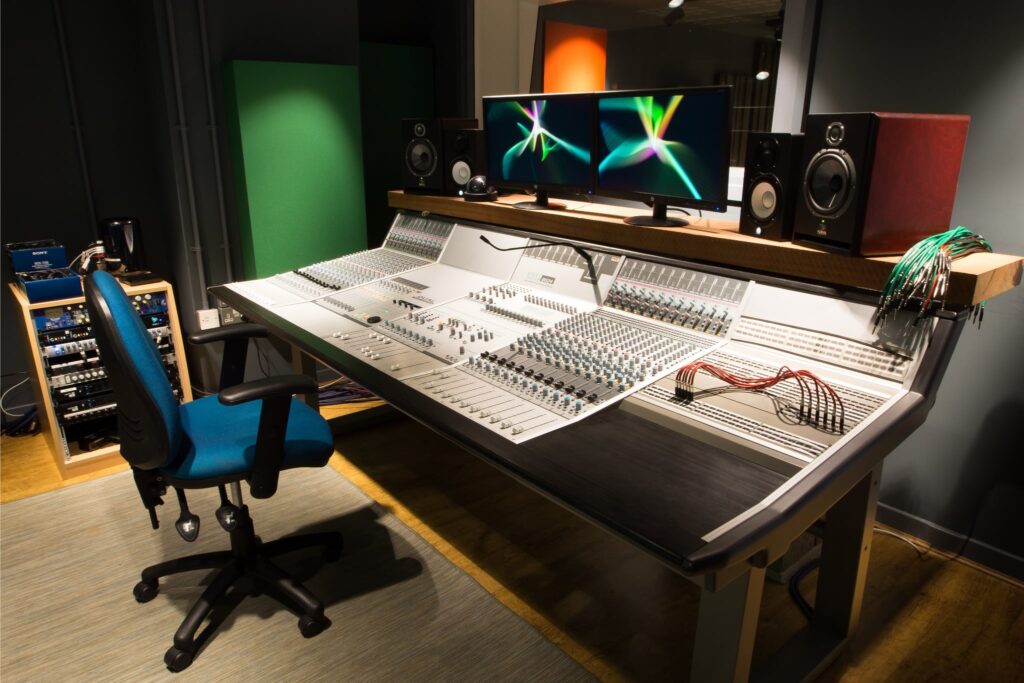
At BIMM, you’ll learn in a professional performance space, working with industry professionals and musicians. Through practical exercises and live performance scenarios, you’ll develop the skills and experience needed to support live music events, from initial setup and soundcheck through to the final mix and pack-down.
Core areas
Live Sound is designed to improve your understanding, knowledge, and practice in the following core areas:
- Live sound equipment
- Audio signal flow
- PA setup and operation
- Soundcheck and monitor mixing
- Front-of-house mixing
- Troubleshooting and safety
Live sound fundamentals
You’ll explore the role of a live sound engineer and discover the equipment used in professional performance environments. You’ll learn to identify and work with microphones, DI boxes, mixing consoles, speakers, and cabling, while developing your understanding of balanced and unbalanced connections. You’ll also explore audio signal flow, gain structure, and safe equipment handling before setting up a basic PA system.
Soundcheck and live mixing
You’ll learn how to prepare for a live performance using stage plots and input lists, selecting and positioning microphones, and connecting and routing audio sources. You’ll develop practical skills in setting input gain, using EQ and dynamics processing, and creating monitor mixes. You’ll also explore how to manage feedback, mix for front of house, communicate with performers, and conduct an effective soundcheck.
Live performance and troubleshooting
You’ll put your skills into practice by setting up and operating a live sound system for a musical performance. Working with musicians, you’ll gain experience mixing a live band or ensemble and responding to changing performance requirements. You’ll learn how to identify and resolve common technical issues, including signal loss, distortion, and feedback, before safely shutting down and packing away equipment.
Professional practice and progression
You’ll explore the responsibilities and professional expectations of working in live sound and events. Through practical experience and discussion, you’ll develop your understanding of working collaboratively with performers and technical teams, communicating clearly, and responding to challenges in a live environment. You’ll also consider potential routes into live sound engineering and related music industry roles, using your course experience to support your next steps.
Duration and location
Mode of attendance: Full-time, three consecutive days.
Duration: Three days of practical, hands-on learning.
Location: Brighton.
Entry requirements
Minimum Age: 18 at the start of the course.
The course is designed for people with an existing background in music performance, music production, or a related music industry environment. You should have experience as a musician, vocalist, DJ, producer, or in a relevant live music or events setting, with a basic understanding of music performance or audio production. No previous live sound engineering experience or formal audio qualifications are required.
To get the most out of the course, you should be able to both speak and write in English to a sufficient standard.
Places are allocated on a first-come, first-served basis.
Dates and fees
Brighton
| Course dates and times | Fee |
|---|---|
| 1 Mar 2027 – 3 Mar 2027 3 days, Mon – Wed, 10 am – 5 pm |
£345 |
Any questions?
For any questions regarding our courses or if you’d like more information on how to apply to BIMM Music Institute, please contact our Enquiries Team on 01273 840 346 or email [email protected].
